
As interest in alternative wellness solutions continues to grow, many consumers are exploring cannabis for pain management as part of a broader daily health routine. Research suggests cannabinoids such as THC and CBD may interact with the body’s endocannabinoid system, which plays a role in regulating pain, inflammation, mood, and sleep. While cannabis is not considered a cure for chronic pain, studies indicate that some individuals may experience relief from conditions such as neuropathic pain, arthritis-related discomfort, and muscle tension through carefully monitored cannabis use. Today, products ranging from cannabis topicals for pain to tinctures, edibles, and low-dose inhalables are increasingly being incorporated into personalized wellness routines aimed at supporting daily pain relief and improving quality of life. Consumers should approach cannabis responsibly by prioritizing proper dosing, product quality, and guidance from healthcare professionals when appropriate.
Understanding Pain and the Endocannabinoid System
Pain is generally categorized as either acute or chronic. Acute pain serves as a temporary response to injury or illness, while chronic pain may persist for weeks, months, or even years. Researchers believe the body’s endocannabinoid system (ECS) plays an important role in regulating pain perception, inflammation, mood, and overall balance within the body. Cannabinoids such as THC and CBD interact with cannabinoid receptors located throughout the nervous and immune systems, which is why medical cannabis for chronic pain has become an area of growing scientific interest. Some studies suggest cannabis pain relief may be particularly beneficial for individuals experiencing neuropathic pain, inflammatory discomfort, and muscle-related tension, although responses can vary depending on dosage, product type, and individual physiology.
Types of Cannabis Products for Pain Management
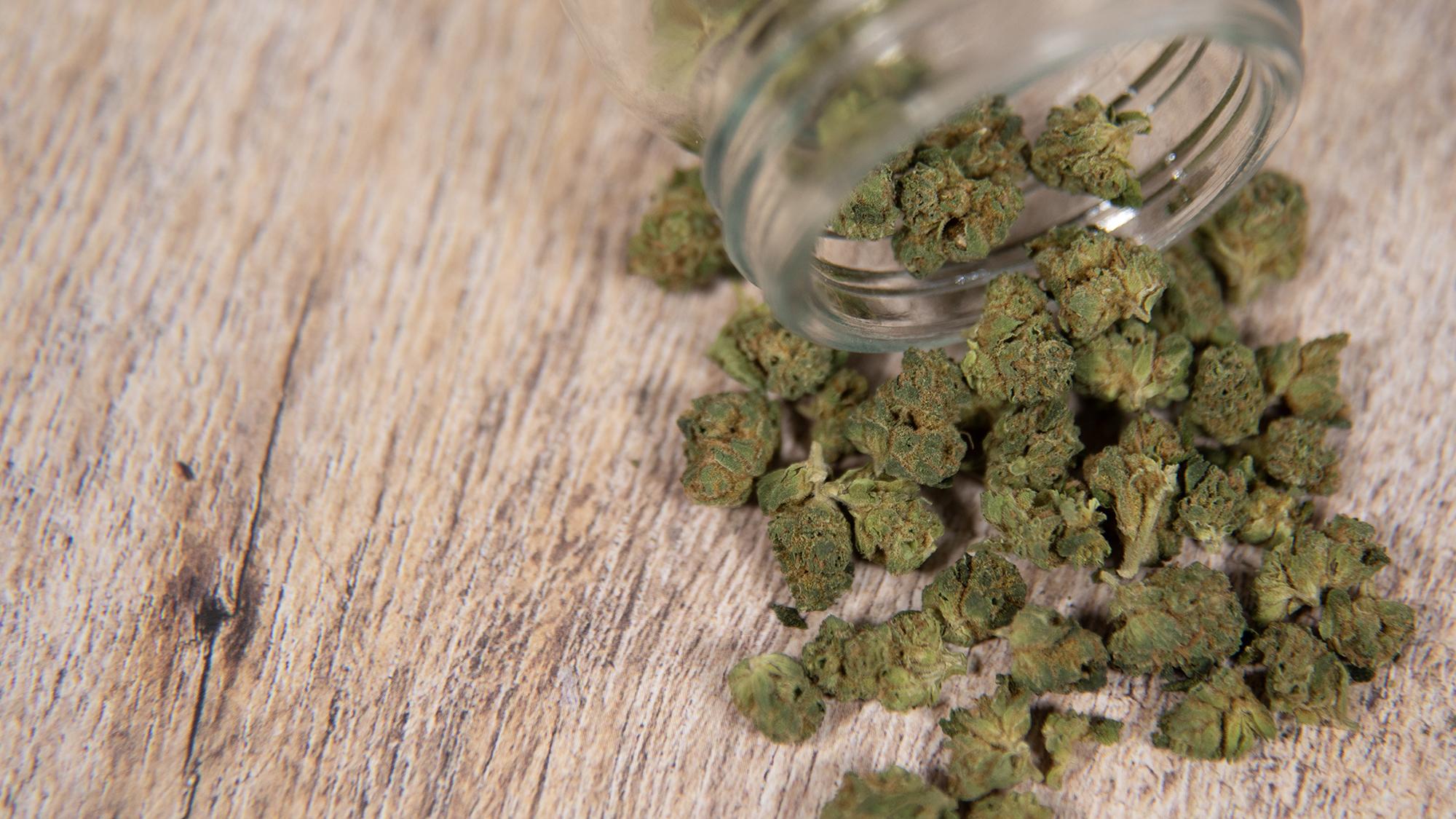
Consumers interested in cannabis for pain management have access to a wide range of product formats designed to suit different lifestyles, comfort levels, and pain-related needs. Inhalable products such as cannabis flower and vaporizers are often chosen for their fast-acting effects, while edibles, capsules, and tinctures may provide longer-lasting support for chronic discomfort and daily pain relief. Cannabis topicals for pain, including creams, balms, and transdermal patches, are commonly used for localized muscle soreness, joint stiffness, and inflammation without producing strong psychoactive effects. Many consumers also explore varying THC and CBD ratios to find a balance that aligns with their wellness goals and tolerance levels. Because onset time and duration can differ significantly between product types, understanding how each consumption method works may help individuals develop a more personalized cannabis wellness routine.
How Consumers Can Use Cannabis Responsibly for Daily Relief
When using cannabis for pain management, many healthcare professionals recommend starting with a low dose and gradually increasing as needed to better understand how the body responds. Consumers often explore different THC and CBD ratios depending on whether they are seeking daytime functionality, relaxation, or support for chronic pain symptoms. Keeping a journal to track dosage, timing, product type, and symptom relief may help individuals identify more consistent and effective routines for daily pain relief. Because cannabis can affect people differently based on factors such as metabolism, tolerance, and existing health conditions, consulting a healthcare provider, especially when using other medications, is an important part of responsible cannabis use. Choosing lab-tested products from licensed sources can also help consumers make safer and more informed decisions regarding medical cannabis for chronic pain.
Potential Benefits and Risks of Cannabis for Pain
As interest in cannabis pain relief continues to increase, some consumers report benefits that extend beyond discomfort management alone. Research suggests cannabinoids may help support relaxation, improve sleep quality, and reduce inflammation, all of which can contribute to better day-to-day functioning for individuals living with chronic pain. Products containing CBD for pain are often sought after for their non-intoxicating properties, while THC-containing products may offer stronger symptom relief for some users. However, cannabis is not without potential risks. Side effects such as dry mouth, dizziness, drowsiness, impaired coordination, and temporary cognitive changes can occur, particularly at higher doses or among inexperienced consumers. Long-term or excessive use may also contribute to tolerance or dependency in some individuals. For this reason, experts recommend prioritizing lab-tested cannabis products, responsible dosing practices, and professional medical guidance when incorporating cannabis into a daily pain management routine.
Learn More: How Are Cannabis Products Tested for Safety and Potency?
Lifestyle Strategies That Can Complement Cannabis Use
While cannabis for pain management may provide support for some individuals, many health experts emphasize that the most effective long-term pain management strategies often involve a holistic wellness approach. Regular physical activity, stretching, mobility exercises, and proper sleep hygiene may help improve flexibility, reduce inflammation, and support recovery alongside cannabis wellness routines. Nutrition also plays an important role, as anti-inflammatory foods and proper hydration may contribute to overall joint and muscle health. Stress-management practices such as meditation, breathing exercises, massage therapy, and mindfulness techniques are increasingly being combined with CBD for pain and other cannabis products to support both physical and mental well-being. By integrating healthy lifestyle habits with responsible cannabis use, consumers may be better positioned to create balanced and sustainable routines for daily pain relief.
Conclusion
As research surrounding cannabis for pain management continues to evolve, many consumers are exploring cannabis wellness products as part of a broader approach to daily pain relief and overall quality of life. While CBD for pain, THC products, and cannabis topicals for pain may offer potential support for some individuals experiencing chronic discomfort, responsible cannabis use should include proper dosing, product transparency, and informed decision-making. By combining medical cannabis for chronic pain with healthy lifestyle habits and guidance from healthcare professionals, consumers may be able to develop more balanced and personalized wellness routines.
References
- Centers for Disease Control and Prevention (CDC) — Cannabis and Chronic Pain https://www.cdc.gov/cannabis/health-effects/chronic-pain.html
- National Academies of Sciences — The Health Effects of Cannabis and Cannabinoids https://www.ncbi.nlm.nih.gov/books/NBK425767/
- National Center for Biotechnology Information (NCBI) — Living Systematic Review on Cannabis and Chronic Pain https://www.ncbi.nlm.nih.gov/books/NBK568855/
- National Center for Complementary and Integrative Health (NCCIH) — Cannabis (Marijuana) and Cannabinoids: What You Need To Know https://www.nccih.nih.gov/health/cannabis-marijuana-and-cannabinoids-what-you-need-to-know
- National Library of Medicine — The Endocannabinoid System as an Emerging Target of Pharmacotherapy https://pmc.ncbi.nlm.nih.gov/articles/PMC2241751/
- Harvard Health Publishing — CBD and Other Medications: Proceed with Caution https://www.health.harvard.edu/blog/cbd-and-other-medications-proceed-with-caution-2021011121743
- Centers for Disease Control and Prevention (CDC) — Cannabis and Public Health https://www.cdc.gov/cannabis/index.html
- Johns Hopkins Medicine — Medical Marijuana https://www.hopkinsmedicine.org/health/wellness-and-prevention/medical-marijuana
- National Library of Medicine — Cannabinoids in the Management of Difficult to Treat Pain https://pmc.ncbi.nlm.nih.gov/articles/PMC2503660/
- Harvard Health Publishing — Medical Marijuana https://www.health.harvard.edu/blog/medical-marijuana-2018011513085
- Mayo Clinic — Medical Marijuana https://www.mayoclinic.org/drugs-supplements-medical-marijuana/art-20311174
- Harvard Health Publishing — Chronic Pain: Medication Decisions https://www.health.harvard.edu/pain/chronic-pain-medication-decisions
- Centers for Disease Control and Prevention (CDC) — Chronic Pain and Nonopioid Therapies https://www.cdc.gov/overdose-prevention/manage-treat-pain/nonopioid-therapies.html
- National Center for Complementary and Integrative Health (NCCIH) — Chronic Pain: In Depth https://www.nccih.nih.gov/health/chronic-pain-in-depth
- National Institutes of Health (NIH) — Cannabis and Cannabinoid Research https://nida.nih.gov/research-topics/cannabis-marijuana